STONEWALL MOVIE NIGHTS IN COLLABORATION WITH OUTSFL
Join us for an evening of community, conversation, and queer cinema. These free‑to‑attend screenings celebrate LGBTQ+ stories that inspire, challenge, and connect us. Whether you’re a film buff or simply looking for a welcoming space to unwind, come as you are and enjoy the show with friends old and new.
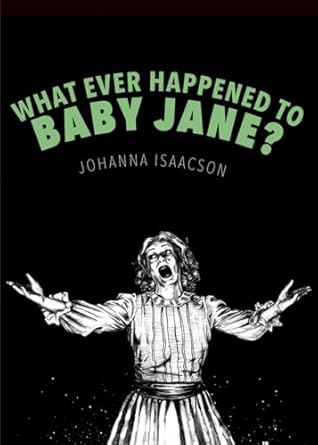
What Ever Happened to Baby Jane?
Thursday, October 8 | 6:30 pm
Thursday, October 8 | 6:30 pm
Robert Aldrich’s chilling psychological thriller stars Bette Davis and Joan Crawford at the height of their legendary rivalry. The film follows Jane Hudson, a former child star unraveling into delusion, as she torments her paraplegic sister, Blanche, inside their decaying Hollywood mansion. Turning resentment into gothic horror, this classic blends noir shadows, grotesque camp, and powerhouse performances to create a claustrophobic, unforgettable masterpiece.
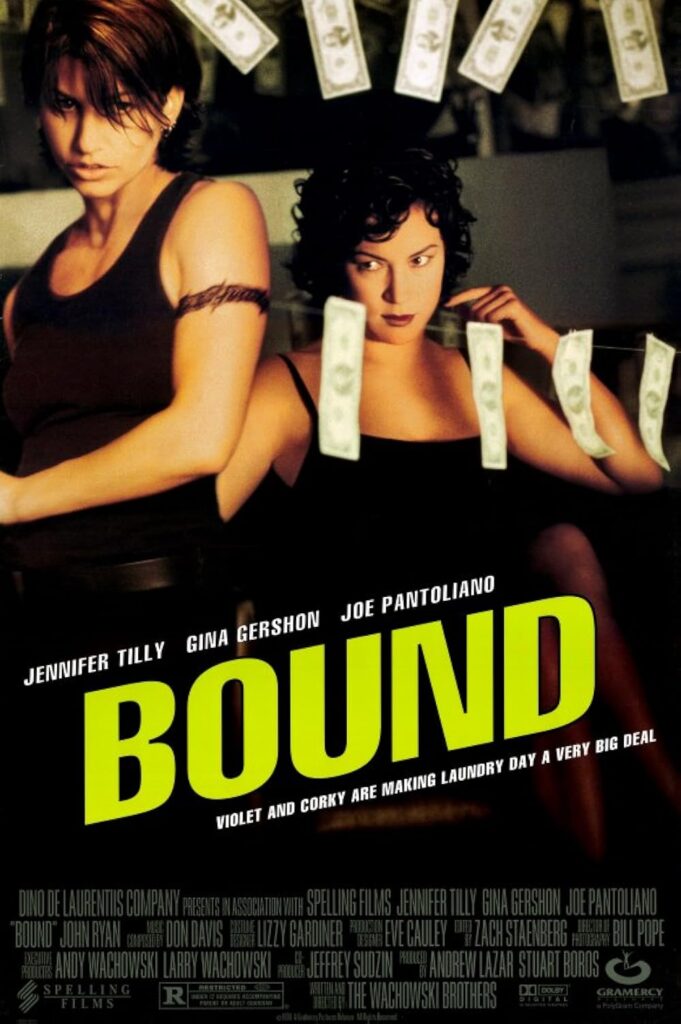
Bound
Thursday, November 12 | 6:30 pm
Thursday, November 12 | 6:30 pm
The Wachowskis’ feature debut, Bound (1996), is a sleek neo-noir erotic thriller starring Jennifer Tilly and Gina Gershon. The film follows Corky, an ex-con, and Violet, a mobster’s girlfriend, as they fall in love and hatch a high-stakes plan to steal millions in mafia money. Subverting classic noir conventions with electric chemistry and tight plotting, this suspenseful heist story delivers sharp twists and has rightfully earned its status as a timeless queer cinema classic
Steel Magnolias
Thursday, December 10 | 6:30 pm
Thursday, December 10 | 6:30 pm
Herbert Ross’s comedy-drama Steel Magnolias (1989), follows a tight-knit circle of Southern women in a small Louisiana town. Gathering at Truvy’s beauty salon, they share gossip, grief, and unwavering support. Featuring an all-star ensemble—Sally Field, Dolly Parton, Shirley MacLaine, Daryl Hannah, Olympia Dukakis, and Julia Roberts—the story masterfully blends sharp wit with heartfelt emotion. This enduring classic celebrates friendship, motherhood, and resilience with exceptional Southern charm.
My Own Private Idaho
Thursday, January 14 | 6:30 pm
Thursday, January 14 | 6:30 pm
Gus Van Sant’s landmark independent drama My Own Private Idaho (1991) is a dreamlike road movie loosely inspired by Shakespeare. The film follows two young hustlers—Mike (River Phoenix), a vulnerable drifter searching for his mother, and Scott (Keanu Reeves), the rebellious son of a wealthy family—as their lives intertwine in a story of longing and self-discovery. Anchored by Phoenix’s haunting performance, this defining work blends surreal imagery, queer desire, and melancholy, cementing its status as an enduring touchstone of New Queer Cinema.
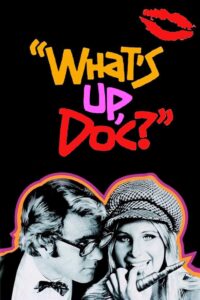
What’s Up, Doc?
Thursday, February 11 | 6:30 pm
Thursday, February 11 | 6:30 pm
Peter Bogdanovich’s sparkling screwball comedy What’s Up, Doc? (1972) is a loving, chaotic homage to classic 1930s farce. Set in San Francisco, the film follows absent-minded musicologist Howard Bannister (Ryan O’Neal) and the trouble-magnet Judy Maxwell (Barbra Streisand), whose chance encounter triggers a whirlwind of mistaken identities, stolen suitcases, and escalating mayhem. Showcasing Streisand’s comedic brilliance and featuring a legendary street chase, this beloved classic remains bright, fast, and joyfully absurd.
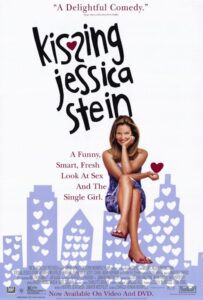
Kissing Jessica Stein
Thursday, March 11 | 6:30 pm
Thursday, March 11 | 6:30 pm
Charles Herman-Wurmfeld’s sharp romantic comedy Kissing Jessica Stein (2001) is a charming milestone of early-2000s queer indie cinema. Co-written by stars Jennifer Westfeldt and Heather Juergensen, the film follows Jessica, a neurotic New York copy editor, who answers a personal ad placed by the free-spirited Helen. What begins as a tentative experiment blossoms into a funny, tender exploration of identity and intimacy. With witty dialogue and heartfelt performances, it remains a beloved modern classic about the messy process of finding happiness.
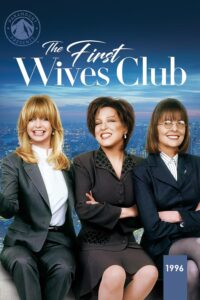
The First Wives Club
Thursday, April 8 | 6:30 pm
Thursday, April 8 | 6:30 pm
Hugh Wilson’s sharp comedy The First Wives Club (1996) is powered by the irresistible trio of Goldie Hawn, Bette Midler, and Diane Keaton. Reunited after a classmate’s death, three college friends discover they’ve all been traded in for younger women, sparking a hilarious mission of empowerment, revenge, and rediscovered sisterhood. Featuring iconic one-liners, an unforgettable musical finale, and a stellar supporting cast, this beloved classic celebrates friendship, resilience, and the unstoppable power of women who refuse to be underestimated.
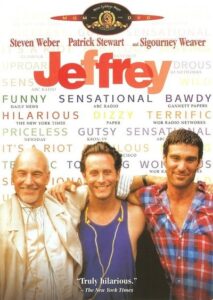
Jeffrey
Thursday, May 13 | 6:30 pm
Thursday, May 13 | 6:30 pm
Christopher Ashley’s bold romantic comedy Jeffrey (1995), adapted from Paul Rudnick’s play, is set in New York City at the height of the AIDS crisis. The film follows Jeffrey (Steven Weber), a neurotic actor who swears off sex—only to fall for Steve (Michael T. Weiss), a charming, HIV-positive man who upends his rules. Featuring scene-stealing turns from Patrick Stewart and Nathan Lane, this classic blends sharp satire with genuine heart. It remains a funny, fearless snapshot of 1990s gay culture and queer resilience.
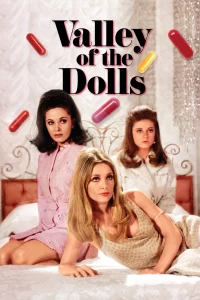
Valley of the Dolls
Thursday, June 10 | 6:30 pm
Thursday, June 10 | 6:30 pm
Mark Robson’s glamorous, melodramatic cult classic Valley of the Dolls (1967), adapted from Jacqueline Susann’s bestseller, follows three young women—Anne, Neely, and Jennifer—chasing fame in Hollywood and Broadway. Entangled in show business pressures, their lives unravel due to ambition, heartbreak, and the infamous “dolls” (pills). With performances by Patty Duke and Sharon Tate, bold fashion, and unforgettable camp appeal, this unapologetic drama remains a beloved touchstone of 1960s pop culture and queer cinematic canon.

High Art
Thursday, July 8 | 6:30 pm
Thursday, July 8 | 6:30 pm
Lisa Cholodenko’s haunting drama High Art (1998) is a defining film of the New Queer Cinema movement. Set in New York’s photography world, the story follows Syd, an ambitious editor drawn to Lucy Berliner, a reclusive photographer living a drug-fueled life with her partner Greta. As their collaboration deepens into desire, the film explores creativity, addiction, and the power dynamics between muse and maker. With moody visuals and a raw performance by Ally Sheedy, it remains a poignant, seductive portrait of art and transcendence.
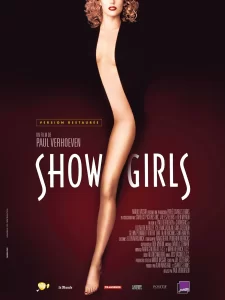
Showgirls
Thursday, August 12 | 6:30 pm
Thursday, August 12 | 6:30 pm
Paul Verhoeven’s infamous melodrama Showgirls (1995) is a high-gloss critical disaster turned beloved queer cult classic. Starring Elizabeth Berkley as Nomi Malone, a fiercely ambitious drifter clawing her way into Las Vegas showbiz, the film follows her ascent to center-stage sensation. With over-the-top performances, sharp choreography, and unapologetic excess, it blends satire, spectacle, and camp. Fueling decades of midnight screenings and fan devotion, it stands today as a bold, provocative artifact of ’90s pop culture.
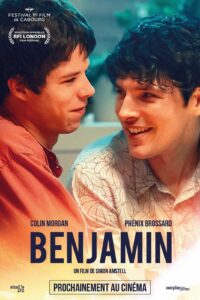
Benjamin
Thursday, September 9 | 6:30 pm
Thursday, September 9 | 6:30 pm
Simon Amstell’s tender queer romantic comedy Benjamin (2018) blends sharp British humor with aching vulnerability. The film follows Benjamin (Colin Morgan), an anxious filmmaker facing self-doubt on the cusp of his second feature. When he meets Noah (Phénix Brossard), a gentle French musician, Benjamin is drawn into a relationship that challenges his defenses and invites real intimacy. Filled with a circle of delightfully awkward creative misfits, this charming film uses dry wit and tender performances to deliver a heartfelt exploration of queer love and self-acceptance.
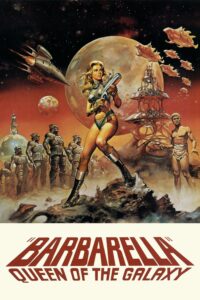
Barbarella
Thursday, October 14 | 6:30 pm
Thursday, October 14 | 6:30 pm
Roger Vadim’s dazzling sci-fi fantasia Barbarella (1968) stars Jane Fonda in an iconic, era-defining role. Set in a far-flung future, the film follows intergalactic adventurer Barbarella as she searches for a missing scientist, tumbling through surreal encounters with angels, tyrants, and pleasure machines. Both space opera and psychedelic fever dream, the story unfolds with bold costumes and unapologetic sensuality. Celebrating liberated femininity and camp aesthetics, Barbarella remains a beloved queer cult classic that continues to sparkle across generations.
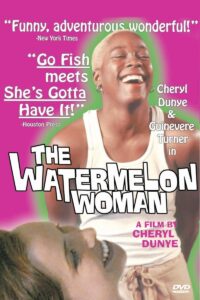
The Watermelon Woman
Thursday, November 11 | 6:30 pm
Thursday, November 11 | 6:30 pm
Cheryl Dunye’s groundbreaking feature debut, The Watermelon Woman (1996), is a slyly funny landmark of New Queer Cinema. Blending fiction and documentary, the film follows Cheryl, a young Black lesbian filmmaker working in a video store, who becomes obsessed with uncovering the erased history of a 1930s Black actress. Her search for truth unfolds alongside her own charmingly complicated love life. With sharp wit and political bite, this seminal work centers Black lesbian identity, beautifully reclaiming what history tried to forget.
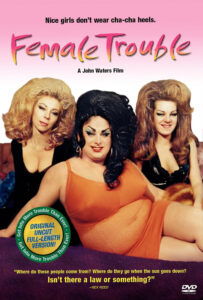
Female Trouble
Thursday, December 9 | 6:30 pm
Thursday, December 9 | 6:30 pm
John Waters’ gleefully anarchic cult classic Female Trouble (1974) is a riotous cornerstone of camp and queer underground cinema. Starring the incomparable Divine as Dawn Davenport, the film follows her journey from rebellious teen runaway to deranged fashion model and criminal icon, fueled by a hunger for fame and a total disregard for respectability. Exploding with shock humor and social satire, Dawn spirals through outrageous crimes and twisted mentorships. With unforgettable performances and quotable chaos, it remains a fearless celebration of queer outsiderhood.


